
Architectural Glass Cost: A UK Pricing Guide

If you are estimating “arcitectural glass cost” for a UK project, the first figure to pin down is whether you need a supply-only product, an installed glazing package or a complete extension. Glass prices vary with the specification, dimensions and site conditions, so an architectural glass price per square metre is only a starting point.
For UK budgeting, allow around £350–£600 per installed aluminium window, £1,800–£4,200 for standard aluminium sliding doors, and £3,200–£4,500 per square metre for a structural glass extension. Those figures describe different scopes of work, so check what each price includes before comparing estimates.
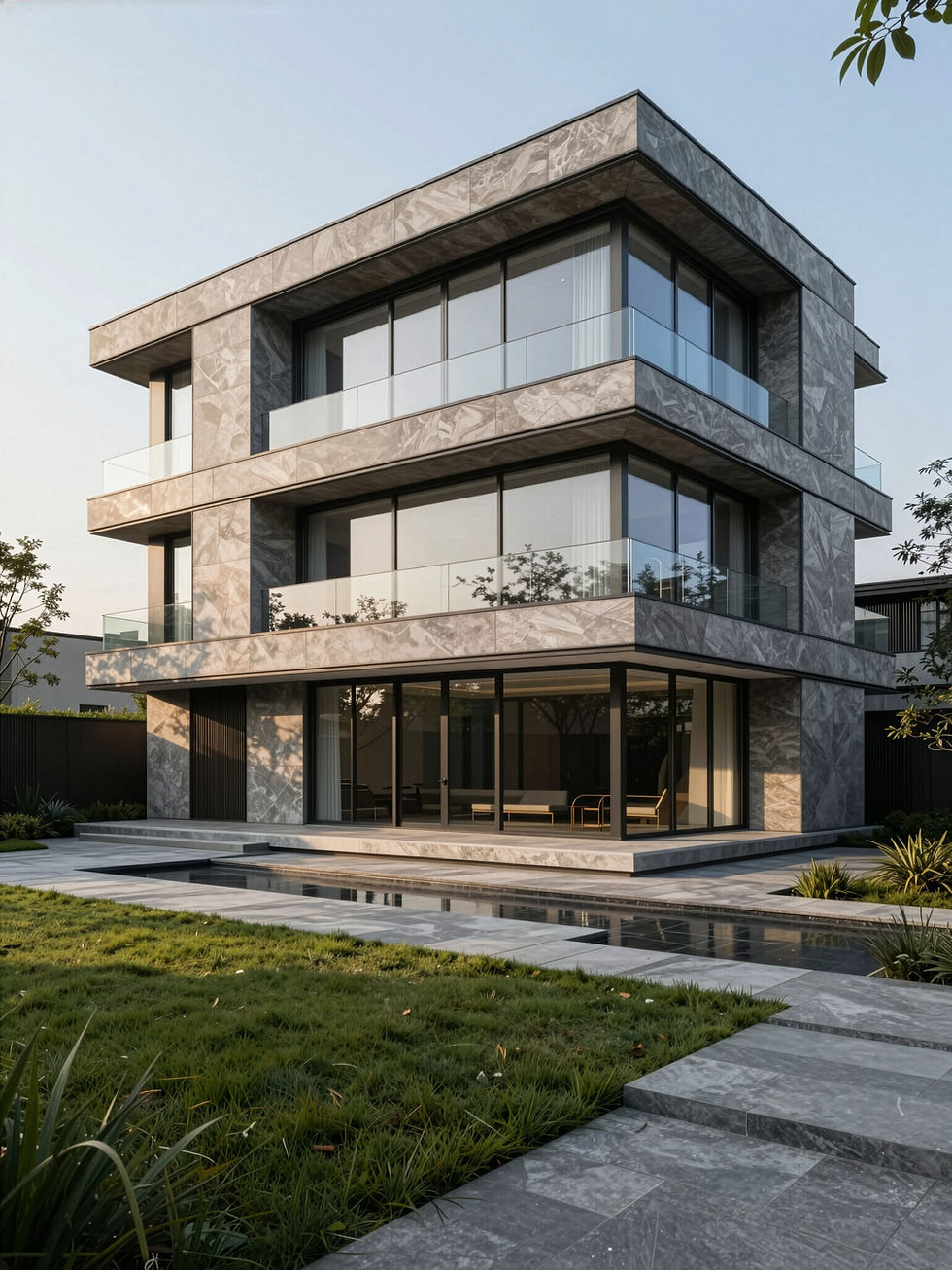
What Should You Budget for Different Glass Projects?
Your budget can range from a few hundred pounds for a standard window to thousands per square metre for a bespoke structural glass installation. Glass type sets part of the price, while the product, engineering and installation scope shape the project total.
Typical Prices by Glass Type and Application
For a useful early estimate, compare architectural glazing prices by application and check whether the figure covers supply, installation or a complete build. Standard clear glass and float glass suit basic applications; safety, thermal and specialist products carry additional processing or assembly costs.
Project or application | Indicative UK price | Scope to check |
Aluminium residential window | £350–£600 per unit | Installed; bespoke sizes and specialist glass add cost |
Aluminium sliding doors | £1,800–£4,200 per set | Standard installed system; slimline options start at around £5,000 |
Aluminium bifolding doors | £3,000–£7,500+ per set | Installed; panel size, hardware and glass specification affect the quote |
Residential curtain walling | From about £1,750 per m² | Early budgeting figure; confirm system and installation scope |
Glass balustrades | About £169–£338 per linear metre | Supply-only figures; fixings, access and installation are additional |
Framed glass extension | £2,000–£3,200 per m² | Indicative complete-build range |
Structural glass extension | £3,200–£4,500 per m² | Indicative complete-build range |
For a like-for-like comparison, ask whether the price includes VAT, delivery, frames, ironmongery and making good. A quotation for the glass alone will not match the cost of an installed unit.
Toughened glass, also known as tempered glass, is heat-treated for safety applications. Laminated glass holds its layers together with an interlayer, while insulated glass units combine panes to improve thermal performance. Smart glass, premium glass and other high-performance glass specifications are priced to suit their function and manufacture, so request a product-specific quotation.
Why Structural Glass and Bespoke Features Cost More
A structural glass project costs more because the glass must meet design loads and work as part of a carefully engineered system. A walk-on glass floor, for example, needs a load-appropriate laminated build-up, support details and calculations; walk-on glass floors with larger spans or demanding loads require further design and fabrication work.
Bespoke structural glass can also involve precise cutting, polished edges, custom connections and specialist handling. A structural glass extension with frameless corners or oversized panels has additional engineering and installation requirements compared with a framed design. Structural glass design fees UK specialists charge reflect the work required for project-specific calculations and drawings.
Applications such as skylights, glass balustrades and zoo enclosures have different safety and performance demands. Share the intended use and dimensions at the early design stage so your quotation reflects the actual specification.

What a Project Quote Should Include
A clear quote should define the glass make-up, dimensions, finishes, framing or fixing system, installation work and exclusions. For architectural glazing, ask for a written scope that separates the glass and system costs from design, delivery and site work.
Check whether the figure covers the site survey, drawings, structural calculations, lifting equipment, removal of existing glazing and disposal. Confirm who is responsible for making good and whether the price includes VAT. If the design or opening changes, ask how variations will be priced before you approve the order.
Which Specifications and Site Factors Change the Final Quote?
Your final architectural glazing quote is shaped by the glass specification, engineering requirements and the practicalities of getting each unit onto site and into position. Features such as low-e coatings and sound insulation affect product cost; access, lifting and compliance requirements influence the installation budget.
How Glass Thickness and Performance Features Affect Price
Greater glass thickness adds material weight and can affect processing, transport and handling. The correct thickness depends on the pane dimensions, support arrangement and required performance, so use the project design to set the specification.
Low-e coatings improve thermal insulation by reducing heat transfer through the glazing. Depending on your brief, UV protection or sound insulation may also be specified. These options can contribute to natural light optimisation and long-term energy savings, though the appropriate combination depends on your building’s orientation and use.
Fire-rated glass has specialist performance requirements and should be specified for the location and purpose shown in the design. Ask your supplier to identify the product and evidence required for compliance with UK building regulations, alongside any other relevant safety or thermal requirements.

How Engineering and Installation Complexity Add Cost
Structural glazing needs coordinated design so each pane, fixing and joint can perform as intended. Structural glass systems may use structural silicone or concealed channels to achieve a minimal-frame appearance, with structural analysis setting the requirements for the glass and support details.
Large or heavy units add to transport and installation costs. Your site mobilisation budget may need to cover specialist vacuum lifting equipment, additional installers or spider cranes, particularly where access is restricted or panels cannot be brought close to the opening. Confirm access routes, lifting positions and delivery restrictions before glass manufacturing begins.
Structural glass links between buildings bring further coordination requirements because the design must account for the connection between the structures. Ask your installer to state which lifting equipment, temporary works and site preparation are included in the structural glass installation price.
Explore Architectural Glass Design for ideas on creating stylish, light-filled spaces, and Architectural Glazing Systems to compare solutions for different building types and project requirements.
How to Compare Quotes and Choose a Specialist
Compare quotations against the same drawings and specification, then check that each covers identical glass make-ups, dimensions, finishes, hardware and installation tasks. A low supply-only figure is not comparable with an installed price that includes engineering and lifting.
Ask each specialist for a breakdown of design fees, structural analysis, manufacture, delivery and installation, plus a list of exclusions. Check who will survey the site and coordinate with other trades, and request confirmation of the applicable safety and regulatory requirements.
If you are requesting a quotation from Glaziers London or another glazing specialist, send your drawings, dimensions and access details together. That gives the supplier a clearer basis for pricing the architectural glazing package and identifying equipment or design requirements before work is commissioned.


Comments