
Automatic Doors Repair: Expert Diagnosis and Fast, Compliant Servicing

Automatic doors can fail at the worst moment, but you can spot common faults quickly and decide whether you need a simple adjustment or professional help. You’ll learn which issues you can fix yourself, which require a technician, and how to keep doors running smoothly to avoid downtime.
Start by checking power, sensors and track alignment — those three areas cause the majority of problems. Knowing what to inspect and what to leave to specialists saves time and prevents costly mistakes. For all your commercial door repair needs, Glazier London provides expert support and fast response.
Key Takeaways
Identify power, sensor and mechanical faults early to reduce downtime.
Distinguish between simple DIY fixes and jobs for a qualified technician.
Regular maintenance prevents most common automatic door failures.

Essential Aspects of Automatic Doors Repair
You will learn the most common faults, which components need regular attention, and practical steps to diagnose mechanical and electrical problems. Focus on actionable checks and safety priorities to reduce downtime and prevent repeat failures. Glazier London specializes in commercial door repair and offers comprehensive maintenance solutions.
Common Issues with Automatic Doors
Sticking or sluggish movement often results from dirty tracks or worn rollers. Check for debris, bent tracks, and lubrication needs; clean and lubricate using a silicone-based spray, not heavy grease that attracts dust.
Sensors failing to detect pedestrians typically stem from misalignment, dirt, or wiring faults. Inspect photoelectric sensors and radar heads: wipe lenses, verify mounting angles, and use a multimeter to test continuity and voltage at the sensor terminals.
Doors reversing or refusing to close can originate from faulty safety edges, obstruction detection circuits, or incorrect force settings. Test the edge sensors by applying slight pressure; adjust closing force per manufacturer guidelines and replace edge rubber if cracked.
Motor noise, overheating, or intermittent operation suggests gearbox wear, loose belts, or electrical supply issues. Listen for grinding, check belt tension and condition, and measure motor voltage under load.
Key Components Requiring Maintenance
Door operators (motors and gearboxes) need scheduled inspection every 6–12 months depending on usage. Look for oil leaks, abnormal noise, rising operating temperature, and secure mounting bolts.
Guides, tracks and rollers require cleaning and inspection every 3 months in high-traffic areas. Replace rollers with flat spots, repair bent tracks, and apply light silicone lubricant to reduce friction.
Sensors and control systems demand electrical checks and calibration. Confirm correct supply voltage, clean sensor surfaces, and verify relay operation on the controller board. Backup batteries in control units should be tested and replaced per manufacturer life expectancy.
Seals, safety edges and thresholds affect both performance and compliance. Replace torn seals, check the resistance of safety-edge circuits with an ohmmeter, and ensure thresholds are level to prevent tripping hazards.

Diagnosing Faults in Door Mechanisms
Start with a systematic visual and functional inspection checklist. Note door travel distance, speed, noise, sensor responses, and any error codes on the controller display.
Use basic tools: multimeter, torque wrench, feeler gauges and a non-contact voltage tester. Measure supply voltage at the operator, test motor windings for continuity, and verify sensor output signals while a person passes through the detection zone.
Isolate subsystems to pinpoint issues: disconnect manual release to test motor drive alone; bypass safety edge input briefly (with safety measures in place) to confirm if edges trigger reversals; swap sensor connectors to identify faulty modules. Document each step and restore all safety wiring before returning the door to service.
Keep safety foremost: set lockout/tagout, use temporary barriers when testing live systems, and avoid bypassing safety devices except for brief diagnostic checks. Replace parts to manufacturer specifications to maintain CE or relevant local compliance.
Best Practices for Effective Repairs
Focus on hiring certified technicians, follow a consistent maintenance schedule, and prioritise safety checks for electrical, mechanical, and sensor systems. For reliable commercial door repair, Glazier London ensures all work meets safety and compliance standards.
Selecting Qualified Repair Technicians
Hire technicians with accredited training in automatic door systems and valid electrical or mechanical licences. Check certifications such as EN 16005 familiarity, manufacturer-specific training (e.g. ASSA ABLOY, Dormakaba), and proof of recent competency assessments. Request CVs showing at least two years’ hands-on experience with sliding, swing, and revolving doors.
Verify insurance and liability coverage before work begins. Ask for public liability and professional indemnity certificates, plus references from similar commercial sites. Use a short checklist during interviews: certification, manufacturer approvals, insurance, and examples of fault diagnosis and repair.
Provide a clear scope of work and require written estimates. Include parts lists, warranty terms, and turnaround times. Make sure technicians use calibrated tools and follow manufacturer torque and alignment specifications.
Routine Maintenance Procedures
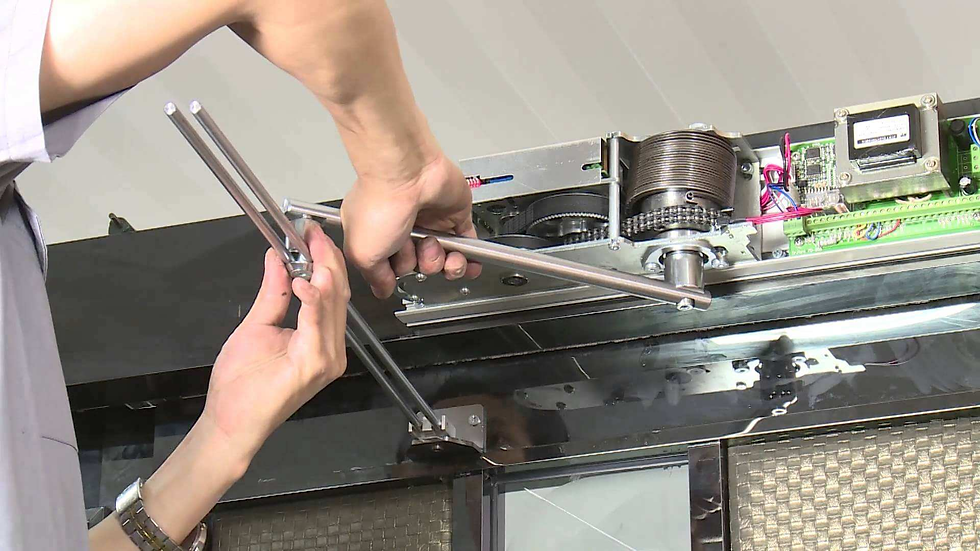
Create a written maintenance plan tailored to door type and traffic level. For high-use entrances schedule monthly inspections; for low-use, quarterly suffices. Include items such as track cleaning, roller and hinge lubrication, belt tension checks, and sensor calibration.
Use a standard inspection checklist to record: door cycle count, motor temperatures, wear on belts/rollers, safety edge responsiveness, and control board error logs. Keep digital service records and update them after each visit for trend analysis.
Replace consumables on a planned basis: rollers, brushes, batteries for wireless sensors, and worn seals. Use manufacturer-approved parts to preserve safety compliance and warranty coverage. Test final operation with at least ten open/close cycles and document measured opening/closing speeds and obstacle detection responses.
For all your commercial door repair needs, trust Glazier London for prompt service, expert diagnosis, and long-term reliability.
For structural repair insights, explore our guide on garage door frame repairs to maintain strong, dependable door systems.
Safety Considerations During Repairs
Isolate power and lock out controls before any mechanical or electrical work. Use labeled lockout/tagout (LOTO) procedures and verify zero energy state with a multimeter. Post temporary signage to prevent unauthorised door operation while technicians from Glazier London perform commercial door repair.
Wear appropriate PPE: insulated gloves for electrical tasks, eye protection when adjusting springs, and cut-resistant gloves when handling metal components. Use mechanical supports or safety props when working under suspended door leaves or heavy headers.
After commercial door repair, prioritise functional safety tests: verify emergency release mechanisms, edge sensors, and manual override behaviour. Measure closing force and stopping distances to ensure compliance with EN 16005 or local regulations. Retain a signed test sheet from the Glazier London technician noting test results and any remedial actions taken during the commercial door repair process.


Comments