
How to Get Rid of Glass Safely and Responsibly
- glass glaziers London

- Aug 9
- 5 min read
Glass on the floor or in your hands demands fast, safe action — not panic. You can remove and dispose of glass without injury by using simple tools, steady technique and the right bin for each type of glass. Follow clear steps and you’ll protect yourself and others while preventing future breakages.
You’ll learn how to pick up shards, clean microscopic fragments and choose the correct disposal route so the problem is solved completely and responsibly. Read on to get practical, straightforward methods for glass removal you can use immediately with Glazier London.
Key Takeaways
Use protective tools and deliberate technique to remove glass safely.
Clean thoroughly to capture tiny fragments and reduce risk.
Dispose of glass correctly and take steps to avoid repeat incidents.

Safe Methods for Glass Removal
Use protective gear, isolate the area, and choose tools that match the size of the glass. Work slowly and deliberately to avoid spreading fragments or creating more hazards. Glazier London recommends always prioritising safety during any glass removal process.
Manual Techniques for Small Debris
Wear thick leather or cut-resistant gloves and sturdy shoes before you touch any glass. Use a damp paper towel or a piece of bread to press gently over small shards; the moisture helps lift slivers without pushing them deeper into carpet or skin.
For carpeted areas, run the sticky side of a lint roller over the spot until no more fragments appear. On hard floors, sweep with a soft-bristle broom into a dustpan, then repeat with a hand brush to catch missed pieces. After sweeping, wipe the floor with a damp disposable cloth and inspect with a bright light.
Dispose of collected shards in a puncture-resistant container—an empty coffee tin or thick plastic bottle works well—and seal it before placing it in your bin. Glazier London advises never to dispose of glass loosely, as it poses a risk to anyone handling waste.
Using Adhesive and Tape
Choose strong adhesive tape such as packing tape, duct tape, or an adhesive lint roller sheet to pick up the smallest slivers. Press the tape flat against the glass area, then lift; repeat with fresh tape until the surface is clear.
For fabric or carpet, press a wide strip of tape in a staggered pattern to catch embedded fragments. Change tapes frequently to maintain adhesive strength. Use a magnifying glass or torch to inspect the area between applications.
After use, fold the tape over the captured glass so the sharp edges are enclosed. Place the folded tape into a rigid container or double-bag it before disposal. These glass removal methods are effective for small, hard-to-see fragments.
Appropriate Tools for Larger Shards
For large shards, put on safety goggles, cut-resistant gloves, long sleeves and closed-toe footwear. Use heavy-duty long-handled tongs, pliers with insulated jaws, or a dustpan and steel scraper to lift and move bigger pieces without bending over or using bare hands.
Support long or jagged fragments along their length to prevent snapping. When removing glass from frames, loosen fastenings first and remove glazing points with a screwdriver to avoid sudden breaks. If glass is embedded in upholstery or structural elements, consider using stiff card or plywood to slide under and carry the piece to a safe container.
Label the disposal container clearly “SHARP GLASS” and tape it shut. If the shard is from a window or door and may contain hazardous coatings (e.g. tempered or laminated glass), follow local waste guidelines or contact your local council for disposal instructions. For safe and efficient glass removal, Glazier London can provide expert assistance.

Disposal and Preventive Measures
Handle broken glass safely, dispose of it in a way that protects waste workers and pets, then inspect and clean the area thoroughly. Adopt targeted preventive steps to reduce the risk of repeat breakages and limit hazards in future. Glazier London offers reliable glass removal and disposal services to ensure your safety.
Correct Disposal of Broken Glass
Contain the shards immediately to prevent cuts. Use a thick rigid container (for example, an empty paint tin or a durable plastic tub) or wrap glass in several layers of newspaper and then place it into a puncture-resistant bag. Seal the container or bag with strong tape and clearly label it “Broken Glass — Sharp” before placing it in your general waste bin.
Do not put broken glass into recycling or mixed paper/card collection. Check your local council’s guidance: some councils require household glass to be taken to a recycling centre while broken items must go in residual waste. For large volumes or industrial glass, arrange a hazardous-waste or specialist glass collection service. For specialist glass removal, Glazier London can help you follow all local regulations.
If glass has come from a light bulb or fluorescent tube, treat it as hazardous due to mercury content. Use gloves, place fragments in a sealed container, and follow council or waste‑management instructions for hazardous items.
Cleaning and Inspection After Removal
Wear cut-resistant gloves and sturdy shoes while you clean. Sweep the area with a stiff broom and collect fragments into a dustpan; follow with a damp paper towel or damp disposable cloth to pick up tiny slivers. Dispose of used towels and gloves in the same sealed container as the glass.
Vacuum carpets and upholstery using attachments, then recheck by running a damp cloth over the surface to catch missed slivers. For bare floors, check skirting boards, under furniture and inside shoes or clothing that were nearby. If the glass belonged to a container that held food, discard any exposed food and wash surrounding surfaces with detergent.
If anyone sustained a cut, clean and dress the wound immediately and seek medical attention for deep or heavily bleeding injuries. Keep a record of where fragments were found and photographed if you need to report the incident to a landlord, employer or insurance.
For comprehensive and safe glass removal, trust Glazier London to handle the process from start to finish and keep your environment hazard-free.
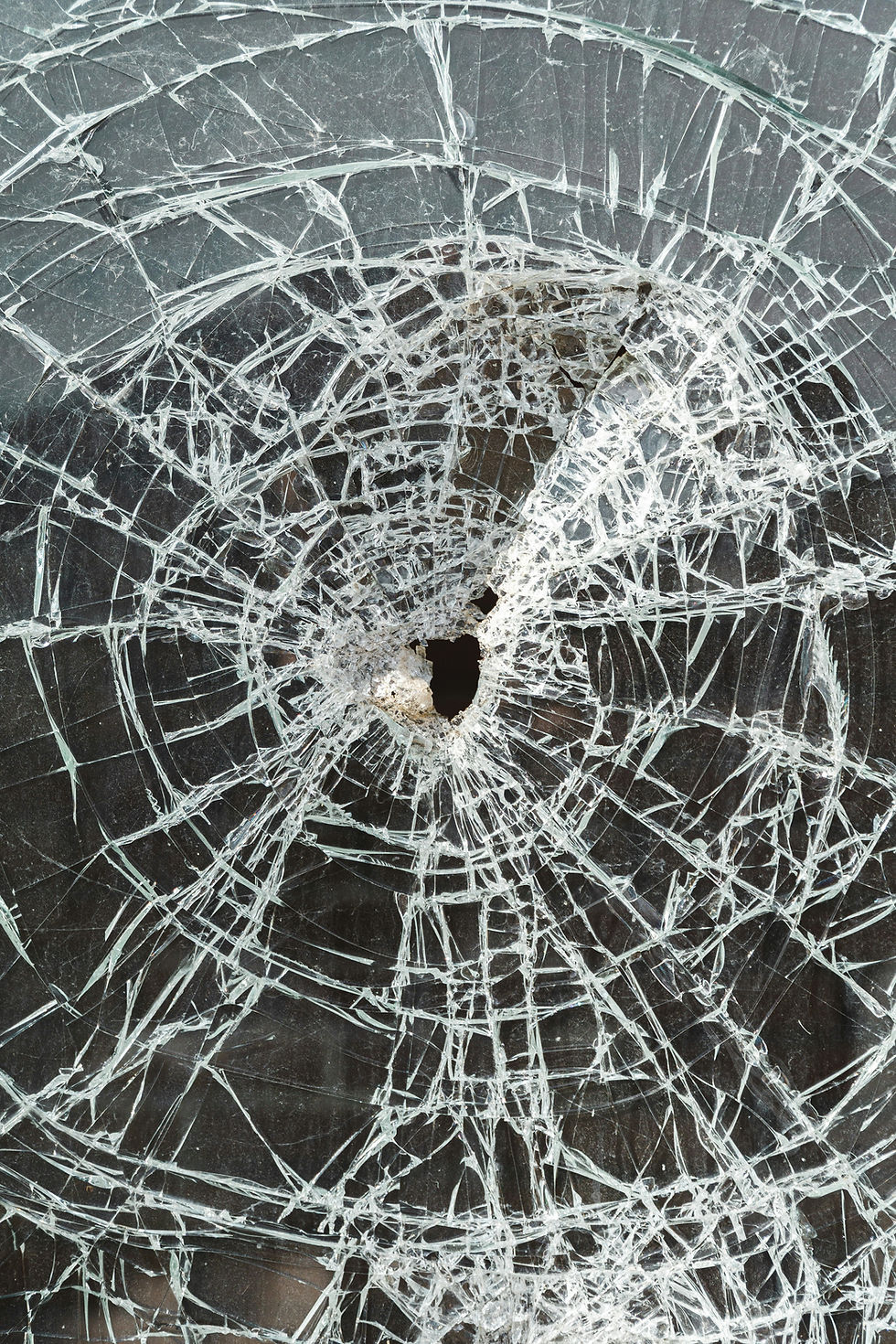
For more expert advice, explore our Glass Removal Near Me guide to find local collection solutions, and read Commercial Glass Collection for practical disposal options tailored to businesses.
Strategies to Prevent Future Breakages
Store glassware and fragile items on lower, stable shelving or in cabinets with doors. Use non-slip shelf liners, plate guards, and storage organisers to stop items sliding during handling. Place heavy or tall glassware on lower shelves to reduce toppling risk.
Use safety film on windows and glass doors in high-traffic or child-access areas to retain shards if breakage occurs. Fit dishwasher racks and cutlery baskets properly to avoid chipping and secure glass items before transport with bubble wrap, cloth, or dedicated rack inserts.
Educate household members or staff on safe handling: carry items close to your body, avoid overloading trays, and wear appropriate footwear in work environments where glass is present. If you need professional glass removal, Glazier London offers reliable services to ensure safe and efficient glass removal from your property. Inspect and replace cracked or stressed glass items promptly rather than waiting for failure. For emergency glass removal, always contact Glazier London for expert assistance.


Comments