
Industrial Door Repairs: Essential Maintenance and Rapid Commercial Solutions

You rely on industrial doors to keep operations moving, and when they fail you lose time, safety and money. Identify the most common faults quickly and you can minimise downtime, avoid costly emergency fixes and keep staff safe.
This post breaks down typical door types and the faults they develop, so you can spot problems early and decide whether a repair or professional service makes the most sense. Expect clear, practical advice that helps you act fast and protect your facility. For all your commercial door repair needs, Glazier London is your trusted partner.
Key Takeaways
Know the main door types and their typical vulnerabilities.
Recognise common faults early to reduce downtime.
Choose the right repair or professional solution to restore safe operation.
Common Types of Industrial Doors
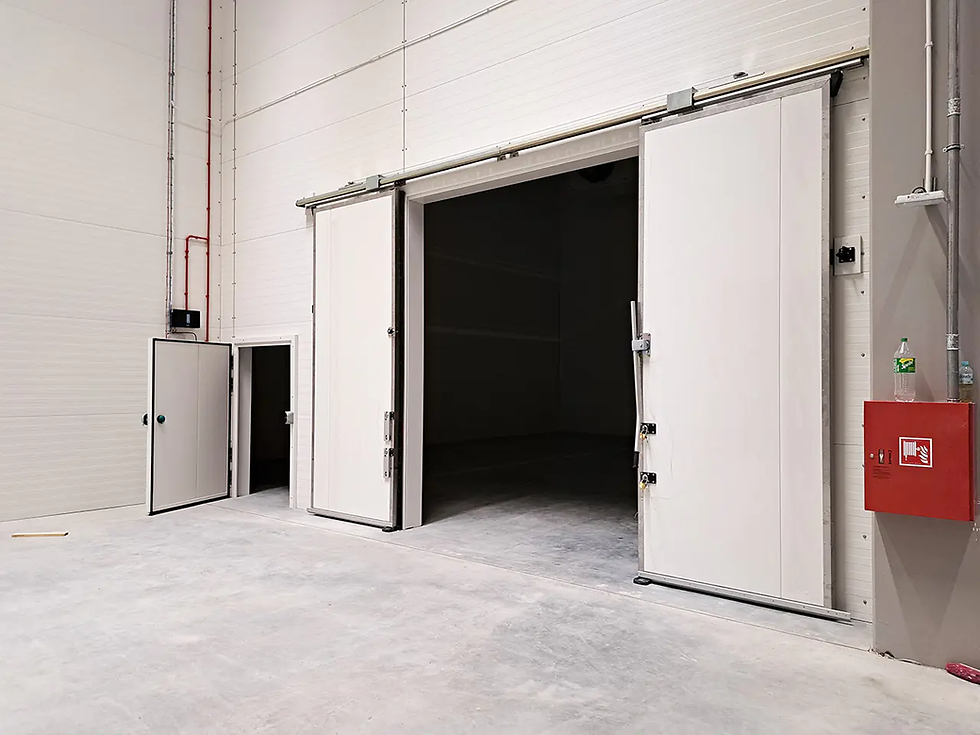
You will encounter roller shutters, sectional doors, and high‑speed doors most often. Each type has distinct repair needs, common failure modes, and safety considerations you should know. Glazier London specialises in commercial door repair for all these door types.
Roller Shutter Repairs
Roller shutters rely on a barrel, curtain slats, springs, and guides; failures usually involve the curtain, spring tension, or the motor drive. Bent or broken slats often cause binding in the guides and require either section replacement or straightening; inspect the curtain for perforation, corrosion, or welded repairs that reduce structural integrity.
Torsion springs and drum wear cause uneven lifting or a shutter that won’t stay open. Test spring tension with the door balanced and replace matched spring sets to restore safe operation. Motors and gearboxes present electrical or mechanical faults — check limit switches, chain drives, reduction gears, and the condition of brushes or encoders.
Service tasks to prioritise:
Visual inspection of slats, guides and end plates.
Spring measurement and replacement in matched pairs.
Motor diagnostics and control box testing.
Lubrication of bearings and guide channels with appropriate grease.
Follow manufacturer torque and balancing specs. Use correct‑rated replacement parts and a harness or support block during spring work to prevent sudden release injuries. For expert commercial door repair, Glazier London offers rapid and reliable roller shutter solutions.
Sectional Door Maintenance
Sectional doors consist of hinged panels, rollers, tracks, springs, and locking mechanisms; misalignment and hinge wear are frequent issues. Check panel seals and bottom rubber for compression or tearing that causes drafts, pests or water ingress, and replace per profile to maintain thermal and acoustic performance.
Roller wear and track deformation lead to noisy operation or panel skewing. Replace worn nylon rollers and repair dented tracks, then realign with the door perpendicular to the jambs. Torsion or extension springs control balance; measure door neutrality across the travel and replace springs in matched sets if the door drifts.
Essential maintenance items:
Inspect hinges, rollers and anti‑drop devices.
Test safety edge and photocell operation.
Tighten fixings and check panel fasteners for corrosion.
Repaint or treat exposed metal to prevent rust.
Document torque settings and roller types for future servicing. Prioritise safety device testing after any adjustment. For any sectional door commercial door repair, Glazier London provides prompt and professional service.
High-Speed Door Issues
High‑speed doors use lightweight curtains, fast motors, and advanced controllers to reduce cycle time; the primary faults are sensor failure, curtain damage and control logic errors. Check infrared sensors and safety beams first when the door fails to close or reverses unexpectedly, as misalignment or dirt commonly causes false triggers.
Edge seals and guide wear increase air leakage and cause vibration at high cycles. Replace damaged curtain sections and worn seals to restore sealing efficiency and reduce noise. Motor and inverter problems present as hesitations, speed loss or fault codes; capture fault logs from the controller and verify supply voltage and motor connections.
Key service checks:
Clean and align detection sensors and photocells.
Inspect curtain material for tears and repair per manufacturer guidelines.
Review controller fault history and update firmware where supported.
Verify inverter settings and carry out thermal checks on motors.
Maintain a cycle log for high‑use doors to schedule preventive replacements and reduce unexpected downtime. For high-speed door commercial door repair, Glazier London’s expert technicians ensure your doors operate efficiently.
Typical Industrial Door Problems
Industrial doors commonly fail due to mechanical wear, impact damage, or electrical faults. You’ll see issues with operation, panel integrity, and drive components most often; each requires different inspection and repair steps. When you need commercial door repair, Glazier London can address these issues swiftly.

Operational Failures
Operational failures include doors that stick, jam, open or close unevenly, or respond intermittently to controls. You should check track alignment, rollers, hinges and weather seals first; misaligned tracks and worn rollers are the most frequent causes of binding.Inspect control wiring, limit switches and safety sensors next. Faulty photo-eyes, damaged edge sensors or loose terminal connections can cause doors to reverse or stop mid-cycle.
Lubrication and routine adjustment often restore reliable function. Tighten fasteners, replace broken rollers, and adjust tension springs or counterbalance systems only after isolating power and supporting the door.Document any repeat faults; intermittent electrical issues may indicate relay or control-board degradation requiring specialist diagnostics.
Damaged Panels or Slats
Physical damage ranges from dents and punctures to bent slats and cracked seals, which compromise security, insulation and weather resistance. You should assess the extent of deformation, corrosion and whether individual panels or the full curtain need replacement.For sectional and roll-up doors, you can usually replace single panels or slats; this restores structural integrity and reduces heat loss while minimising downtime. Cosmetic repairs like paint touch-ups or filler are acceptable only if structural strength and seal continuity remain intact.
Record measurements and material types (steel gauge, galvanised finish, insulation R-value) before ordering parts. Where impact has distorted frames or endplates, realignment and frame repairs must precede panel replacement to prevent rapid re-damage.
Faulty Motors and Mechanisms
Motors and drive mechanisms fail due to overload, worn brushes, overheating, or gearbox wear. You should note symptoms such as slow travel, unusual noises, smoke, or tripping breakers as indicators of motor or gearbox distress. Check motor amperage against nameplate ratings and inspect brushes, bearings and cooling vents. Replace worn brushes and bearings; clear debris from ventilation paths to prevent overheating.
For chain, belt or direct-drive systems, inspect sprockets, belts and tensioners for wear and correct tension. Lubricate moving parts per manufacturer guidance and replace gearboxes showing metal shavings or excessive backlash.If safety devices or electronic drives are suspected, run bench tests with proper diagnostic tools or engage a qualified technician for inverter and motor-control repairs. Glazier London’s commercial door repair experts are equipped to handle all types of motor and mechanism faults.
Professional Repair Solutions
You’ll get targeted, practical services that restore operation, reduce downtime and improve security. The following subsections explain rapid-response options, routine upkeep plans and sensible security upgrades tailored to industrial doors. For all commercial door repair needs, Glazier London is the business to call.

Emergency Repair Services
You can request 24/7 call-out teams for faults that stop production or create safety risks. Technicians arrive with common replacement parts and diagnostic tools to address issues such as broken springs, mangled tracks, faulty motor drives and damaged control panels.
Expect an initial triage within 30–60 minutes of your call in urban areas, with on-site repairs completed the same day where parts are available. If a full replacement is required, teams will install temporary boarding, secure the perimeter and provide a written estimate for the permanent fix.
Services include load-testing, safety-edge recalibration and control-system reprogramming so doors operate to statutory safety standards. You receive a completed job sheet listing works done, parts fitted, serial numbers and recommended follow-up actions. Glazier London’s emergency commercial door repair service ensures your facility is protected around the clock.
For continued performance, explore our guides on Automatic door maintenance and Door repair commercial to keep all your systems in top condition.
Preventative Maintenance Programmes
You can reduce unplanned failures by scheduling routine inspections and servicing at intervals matched to door usage. Typical programmes include monthly or quarterly visual checks, semi-annual lubrication of bearings and tracks, and annual comprehensive inspections of springs, cables and drive units.
Maintenance tasks usually cover:
tightening and adjusting hardware;
replacing worn rollers, seals and weatherstrips;
testing and recording safety devices (sensors, edge strips, emergency stops).
Providers often supply digital logs and service reports so you can track compliance and warranty requirements. Contract options include priority emergency response, fixed annual pricing and bespoke plans based on door type, cycle rate and environmental exposure.
For reliable commercial door repair and maintenance, trust Glazier London to keep your industrial doors operating safely and efficiently.
Upgrading Door Security Features
Enhancing your commercial property’s safety is essential, and professional commercial door repair can play a key role. Glazier London recommends upgrading locking systems, access control, and physical deterrents to deter unauthorised access and improve resilience. Common commercial door repair upgrades include heavy-duty slamlocks, motor-driven deadlocks, and reinforced bottom rails to resist forced entry.
Integrate electronic access control such as proximity readers, keypad entry, or networked controllers to manage who enters and when. CCTV interlocks, alarm contacts, and audit-trail logging provide evidence and remote monitoring capability.
When planning commercial door repair and upgrades, Glazier London advises considering materials (steel gauge, anti-corrosion finishes), fail-safe versus fail-secure lock modes, and compatibility with existing drives and fire-safety systems. Glazier London ensures all installations include thorough testing, user training, and documentation for ongoing maintenance and security audits.


Comments