
Residential Tempered Glass Suppliers London: A Homeowner’s Guide

Choosing a residential tempered glass supplier in London means weighing safety certification, cut-to-size accuracy, and turnaround time against each other. Glazier London stands out as a strong choice for homeowners who need toughened glass panels made to precise measurements with clear delivery timelines, particularly for shower enclosures, balustrades, and shelving where standard sizes rarely fit.
Glass breakage in a home is rarely just an inconvenience. A shattered shower screen or a wobbly glass shelf can mean days without a usable bathroom or a genuine safety hazard for children and pets. That's why the glass supplier you pick, and the glass products they offer, matters as much as the price on the quote.
Any window company London homeowners rely on will tell you that tempered glass has become the default for domestic safety glazing, replacing older annealed glass in most wet rooms and stairwells. This guide looks at how to choose the right type of tempered glass for your project, what drives the cost of bespoke pieces, and what a sensible order-to-installation timeline looks like when working with a glass architect or specialist supplier.

How Do You Choose Tempered Glass for a Home?
Tempered glass suits most residential safety applications because it breaks into small, blunt fragments rather than sharp shards, making it the standard choice for showers, balustrades, and shelving. Toughened glass panels, laminated glass, and insulated glass units (IGUs) each serve slightly different purposes, and picking correctly depends on where the glass sits in your home and what it needs to withstand.
What Is Tempered Glass and Why Is It Safety Glass?
Tempered glass, also called toughened glass, goes through a heating and rapid-cooling process that makes it up to five times stronger than ordinary annealed glass. This process changes how it breaks: instead of sharp, dangerous shards, tempered glass shatters into small, rounded pieces.
That behaviour is why building regulations classify it as safety glass for areas prone to impact, including doors, low-level windows, and bathrooms. It also copes well with thermal resistance, so temperature swings near radiators or in conservatories don't cause cracking the way they might with untreated glass.
Where Can Toughened Glass Be Used at Home?
Toughened glass panels turn up in nearly every room of a modern home. Common residential uses include:
Shower enclosures and screens, where constant moisture and impact resistance both matter
Glass balustrades on stairs and balconies, meeting safety load requirements
Glass shelves in kitchens, bathrooms, and living rooms
Splashbacks behind hobs and sinks
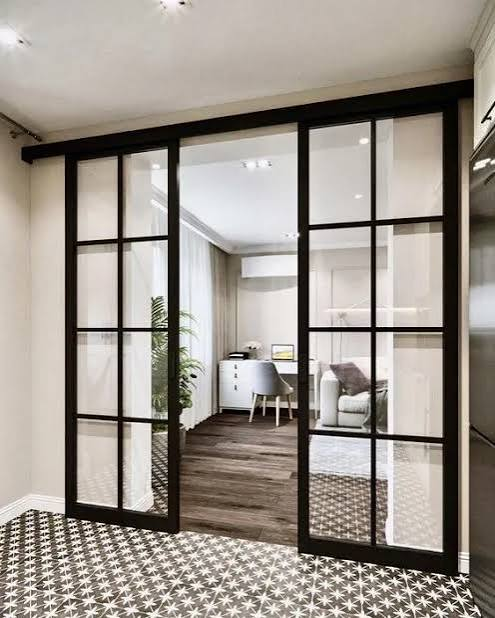
Internal room dividers and glazed doors
A reputable window company London residents trust will typically stock toughened glass in various thicknesses, from 6mm for shelving up to 12mm or more for structural balustrades.
Tempered, Laminated, and IGU Glass: Which Option Fits?
Tempered glass works best for everyday safety applications where cost matters alongside durability. Laminated glass, built from layers bonded with an interlayer, adds acoustic dampening and holds together even when cracked, making it a better fit for ground-floor windows or areas where security is a priority.
Toughened laminated glass combines both properties, offering strength and the shatter-resistant interlayer in one panel. IGUs (insulated glass units) are built for thermal performance, using sealed air or gas-filled gaps between panes to reduce heat loss, and suit external windows more than internal features.
Glass Type | Best For | Key Property |
Tempered/Toughened | Showers, shelves, balustrades | Breaks into blunt pieces |
Laminated | Windows, security glazing | Holds together when cracked |
Toughened Laminated | High-risk or high-value areas | Combines strength and cohesion |
IGU | External windows | Thermal insulation |

How Much Will Bespoke Glass Cost and How Is It Ordered?
Bespoke glass pricing depends on thickness, size, edge finish, and any cut-outs needed for fittings, with most suppliers offering a glass price calculator for instant estimates. Ordering custom glass for a home project works best when measurements and specifications are locked in before the order goes to manufacturing, since toughening happens after cutting and can't be undone.
What Affects the Price of Custom Glass?
Thickness is the biggest cost driver: a 6mm shelf panel costs considerably less than a 12mm balustrade panel of the same dimensions. Customised glass with polished edges, bevelled corners, or drilled holes for fixtures adds to the base price.
Tint, frosting, and low-iron finishes also affect cost. A glass architect or supplier's online glass price calculator gives a reasonable starting estimate, though final quotes often account for delivery distance and installation complexity.
Why Measurements, Edges, and Cut-Outs Must Be Finalised First
Tempered glass can't be cut, drilled, or trimmed after toughening without shattering it. Every cut-out for a shower hinge, towel rail bracket, or balustrade post needs to be specified before the glass goes through the toughening furnace.
This makes accurate templating essential. Many window company London specialists send someone to measure on-site rather than relying on customer-supplied dimensions, since a few millimetres out can mean an unusable panel.
What Should You Expect From Delivery and Installation?
Standard turnaround for bespoke tempered glass runs around 5-10 working days from confirmed order to delivery. Complex orders involving toughened laminated glass or non-standard shapes can take longer, so it's worth confirming lead times before booking any related building work.
Glazier London and similar specialists typically handle delivery with padded, upright transport given how heavy and fragile large panels are before installation. Installation itself, whether for a shower enclosure or balustrade, usually follows within days of delivery, and confirming this schedule early avoids gaps where a bathroom or staircase sits unusable.
For more guidance, explore “Reliable Window Replacement West London” and “Window Replacement Cost Greater London” for practical advice on window upgrades and costs.
Conclusion
Picking the right tempered glass for a home comes down to matching the glass type to its job: toughened glass for everyday safety areas, laminated or toughened laminated glass where security and acoustic performance matter, and IGUs for external thermal efficiency. Getting measurements, edge finishes, and cut-outs right before manufacturing avoids costly delays, and working with an established window company London homeowners already recommend, such as Glazier London, helps keep the process from quote to installation straightforward.


Comments