
Shop Window Repair: Fast, Professional Glass Replacement

A damaged shop window affects security, safety, and the way customers view your business. You need to assess the damage quickly and restrict access to the area to prevent injury or further loss.
You should arrange professional shop window repair when cracks, shattered glass, loose frames, or damaged locks compromise safety or security. The right solution depends on the damage, glazing type, building requirements, and your budget.
This guide explains how to respond safely, choose suitable materials, understand likely costs, and plan a secure installation with minimal disruption to your business. For expert shop window replacement, Glaziers London is a trusted choice for businesses across the city.
Key Takeaways
Assess damage and secure the area promptly.
Match the repair to the glass, frame, and security needs.
Plan costs and use qualified professionals for installation.

Assessing Damage And Immediate Safety
Identify sharp edges, unstable glass and weakened frames before attempting repairs. Keep people away from the display, prevent further movement and arrange professional glazing support when damage affects structural stability or security before the shop window replacement.
Common Types Of Glass And Frame Damage
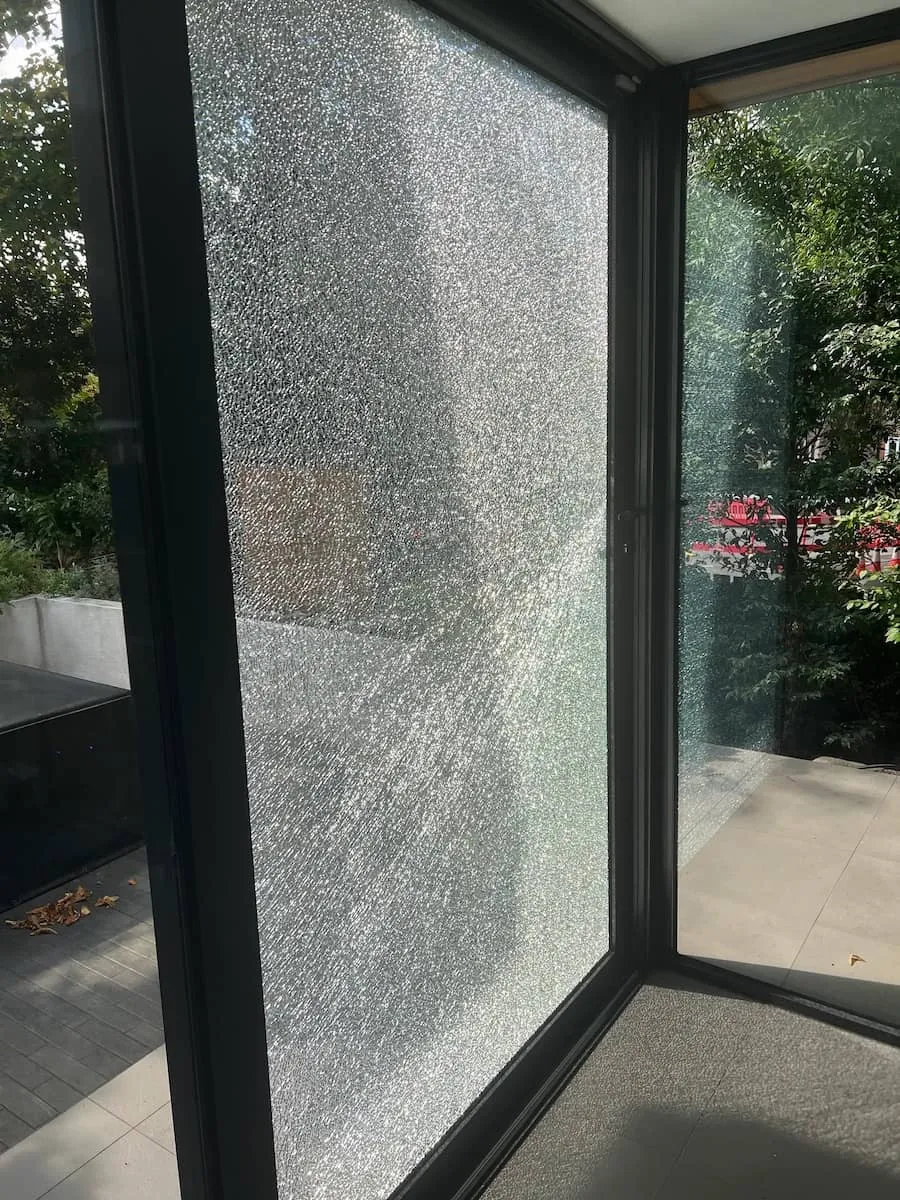
Shop windows may develop cracks, chips, holes or complete breakage. Cracks can spread from impact points, while laminated glass may remain in place but lose strength. Toughened glass usually breaks into small fragments, although loose pieces can still cause cuts. Check for shards on the floor, shelves and surrounding pavement.
Inspect the frame for bent sections, detached seals, damaged hinges, loose fixings and gaps around the glass. A distorted aluminium, timber or uPVC frame may prevent replacement glass from fitting securely. Water ingress, draughts and rattling can indicate failed seals or movement within the frame.
Do not press, remove or tape damaged glass if it supports the structure. Photograph the damage for insurers, record the apparent cause and note whether alarms, locks or nearby fittings also need attention.
Securing The Premises After Breakage
Clear customers and staff from the affected area, then restrict access with barriers or closed doors. Wear cut-resistant gloves, protective footwear and eye protection if you must handle nearby debris; never pick up large shards with bare hands.
If glass remains in the frame, avoid touching it. A qualified glazier can remove it safely. For a temporary measure, place a suitable board over the opening without drilling into hidden services or forcing the frame out of alignment.
Sweep small fragments with a brush and shovel, and use a vacuum only after removing larger pieces. Check both sides of the window and the pavement outside. Contact your insurer, landlord or emergency repair service, and report damage to locks, alarms or electrical equipment before reopening the area.
Choosing The Right Repair Approach
You should assess the damage, safety risk and glazing type before choosing a repair. Small faults may allow a targeted repair, while cracked, unstable or poorly sealed glass usually requires full shop window replacement.
When Glazing Can Be Repaired
You can often repair minor glazing defects without replacing the entire pane. Suitable examples include loose or deteriorated putty, failed sealant around the frame, small gaps, and draughts caused by movement between the glass and frame. A glazier can remove damaged sealant, check the frame, apply a compatible weatherproof seal and secure the glass correctly.
Repair may also suit isolated issues with timber, aluminium or uPVC frames, provided the glass remains intact and securely supported. Your contractor should inspect the edges for chips, pressure points and signs of moisture ingress before confirming that repair is appropriate.
Repair is not suitable for a cracked or shattered pane. You should also avoid patching damage where the glass moves, rattles, leaks repeatedly or no longer sits squarely in the frame. Ask for a written assessment that identifies the fault, materials required and expected service life.

When Full Pane Replacement Is Necessary
You need full pane replacement when the glass has a crack, significant chip, hole or widespread impact damage. Replacement is also necessary when a toughened pane has shattered into small pieces, as it cannot be restored safely. Your glazier should measure the opening precisely and match the original glass type, thickness and safety rating.
Replace failed sealed units when condensation or mist appears between the panes. This indicates that the edge seal has broken, reducing insulation and visibility. You may also need replacement if the pane has slipped, flexes in the frame, or shows damage that places pressure on surrounding sections.
For shops, confirm whether the glass must be toughened, laminated or fire-rated under current building requirements. Your installer should use suitable safety equipment, isolate the area and dispose of broken glass securely. Check the finished installation for an even seal, stable glazing beads, clear visibility and smooth operation of nearby doors or windows.
For reliable shop window replacement, Glaziers London provides expert assessment and installation to restore your premises quickly and safely.
Materials, Glazing And Security Standards
Your choice of glass affects safety, insulation, appearance and resistance to forced entry. You should also check that replacement frames, glass and fixings meet current building regulations and any insurer or landlord requirements.
Toughened And Laminated Safety Glass
Toughened glass undergoes controlled heating and cooling to increase its strength. If it breaks, it shatters into small, relatively blunt fragments rather than large sharp shards. It suits shopfronts, doors and areas exposed to impact, but you cannot cut or alter it after manufacture, so suppliers must produce accurate measurements.
Laminated glass contains two or more panes bonded to an internal plastic layer. When damaged, the fragments usually remain attached to the interlayer, helping to maintain a barrier and delay access. This makes it useful where you need improved security, safety or protection from falling glass.
You should select glazing based on the location and risk. Safety glass may be required in doors, near floor level and beside circulation routes. Ask your installer to confirm the glass specification, thickness, safety classification and compliance with relevant British Standards before fitting.
Double-Glazed Units And Thermal Performance
Double-glazed units contain two panes separated by a sealed spacer. The cavity commonly contains argon gas, while low-emissivity coatings reduce heat transfer through the glass. These features can improve comfort near the shopfront, reduce condensation and lower heating demand, provided the frames and seals perform properly.
Look for the unit’s U-value, which measures heat transfer; a lower figure indicates better insulation. Your installer should also check the spacer, edge seals and frame compatibility. Poor measurements or damaged seals can allow moisture into the cavity, causing misting and reducing performance.
For retail premises, specify glazing that balances insulation with daylight, appearance and security. Building regulations may set minimum thermal standards for replacement work, while larger glazed areas may need safety markings or additional protection.
Glaziers London ensures all shop window replacement work meets the highest standards for safety, security, and energy efficiency.

Planning Costs And Professional Installation
Your repair budget depends on the glass specification, frame condition, access requirements and urgency. A qualified glazier can assess these details, recommend suitable materials and provide a written quotation before work on the shop window replacement begins.
Factors That Affect Repair Pricing
The glass type and size usually have the greatest effect on cost. Toughened, laminated, low-emissivity and fire-rated glass each have different prices, while larger panes require additional handling equipment and labour. Custom shapes, drilled holes, polished edges and branded manifestations can also increase the quotation.
The condition of the frame affects the work involved. A glazier may need to replace damaged beads, gaskets, sealants or sections of aluminium before fitting new glass. If the shop window has failed seals, rotten timber or distorted frames, repairing those defects prevents further water ingress and improves the final installation.
Access and timing also influence pricing. Difficult locations may require scaffolding, lifting equipment or traffic management. Emergency boarding and out-of-hours call-outs generally cost more than planned work, while commercial properties may need permits or coordinated access outside trading hours.
For transparent pricing and fast service, Glaziers London offers comprehensive shop window replacement solutions tailored to your business needs. Contact Glaziers London for expert shop window replacement and restore your shopfront’s security and appearance with minimal disruption.
For more expert guidance, explore our blog “Shop Front Glass Replacement” for practical advice on replacing damaged or outdated shop front glazing.
Selecting A Qualified Glazier
Choose a glazier with experience in commercial shopfronts, not only domestic windows. When considering shop window replacement, ensure the business, such as Glaziers London, carries appropriate public liability insurance and can supply references or examples of comparable installations. For shop window replacement units, ask whether the proposed glass meets current safety and building requirements.
Request a written quotation that lists the glass specification, measurements, frame repairs, labour, access equipment, disposal charges and VAT. Confirm the expected completion date, warranty terms and arrangements for temporary boarding if the work cannot finish immediately.
Glaziers London should measure the opening on site rather than rely solely on photographs or approximate dimensions. Before installation, agree how the shop will remain secure and accessible. After fitting, inspect the seals, alignment, edges and safety markings, and obtain documentation for the materials used in your shop window replacement.


Comments