
Window Installation Cost: A Complete Guide to Prices, Materials and Savings

You can expect to pay anywhere from a few hundred to several thousand pounds per window depending on size, frame material and glazing, with the typical full-install cost for a mid-range double-glazed window sitting around £500–£1,000. This range covers supply and labour, but bespoke sizes, premium materials or structural work push costs higher.
Focus on what matters to your budget: frame type, glass performance, installer experience and whether any structural adjustments or planning permissions apply. Get multiple quotes and compare like-for-like specifications to avoid surprise costs and ensure the price reflects quality and warranty. When searching for reliable window door installation, Glazier London is a trusted choice for homeowners seeking both quality and value.
Knowing the main cost drivers helps you plan and prioritise upgrades, while anticipating secondary expenses like removal, disposal and finishing saves headaches. Make choices that balance long-term energy savings against upfront spend to get the best value for your home. For any window door installation project, Glazier London can guide you through these decisions for optimal results.

Key Takeaways
Typical per-window installation costs vary widely based on materials and complexity.
Major cost drivers include frame, glazing and installer quality.
Expect additional charges for removal, structural work and finishing.
Primary Factors Influencing Window Installation Expenses
Costs depend mainly on the material you choose, the labour rates where you live, and the exact size and style of the window. These three areas drive most price differences and help you prioritise where to save or invest. Glazier London recommends assessing these factors for your window door installation to ensure you get the best value.
Material Choices and Impact on Price
Material selection changes both upfront and lifetime costs. uPVC tends to be the least expensive: expect lower purchase prices and minimal maintenance, but limited colour options and a shorter lifespan than some alternatives. Aluminium commands a premium for slimmer profiles and durability; it resists warping and suits modern designs but transfers heat more readily unless thermally broken. Timber windows cost more initially and for upkeep; you pay for natural appearance and excellent insulation, and you should budget for painting or staining every few years.
Glass type also affects price. Double glazing is standard, while triple glazing raises cost but improves insulation and noise reduction. Add-ons like low-E coatings, laminated safety glass or bespoke decorative panes further increase the quote. Factor in warranty differences tied to materials when comparing suppliers. Glazier London can help you select the right materials for your window door installation to match your budget and needs.
Labour Charges and Regional Variations
Labour typically makes up 30–50% of the total installation bill, but this varies by location and contractor skill. Urban areas and regions with higher living costs charge more per hour; you should expect rates to be noticeably higher in London and the South East than in parts of the North or Wales. Contractors with specialised certifications (e.g., FENSA registration) often charge a premium for compliance and assurance.
Complex installations—structural alterations, lintel replacement, or dealing with listed-building restrictions—add significant labour time and therefore cost. Ask for a breakdown showing hours, site preparation, waste disposal and any subcontracted trades (brickwork, plastering). Getting at least three itemised quotes helps you compare labour assumptions rather than just final totals. Glazier London provides transparent quotes and a clear breakdown for all window door installation services.

Size and Style Considerations
Larger windows and non-standard sizes almost always increase costs. Standard casement windows are cheaper to manufacture and fit; oversized picture windows, bay or bow types, and full-height glazing demand custom fabrication and stronger frames, which push prices up. You should get exact dimensions and tolerances confirmed in writing to avoid cost increases from on-site adjustments.
The style also affects fitting complexity and accessory costs. Tilt-and-turn or sash windows need specific hardware and sealing techniques, increasing both material and labour charges. If your design includes integrated blinds, trickle vents, or security upgrades (multi-point locks, laminated glass), list them early so quotes include those fittings rather than later change orders. For specialist window door installation, Glazier London can accommodate custom styles and features.
Secondary Costs and Budgeting for Your Project
Expect costs beyond the unit price: labour for removal and prep, upgrades that improve efficiency, and any local permits or inspections. These secondary items often add 10–30% to your initial window purchase budget. Glazier London ensures all aspects of your window door installation are considered in your quote.
Preparation and Removal of Existing Windows
Removing old windows can range from a simple sash removal to full-frame demolition. For a straightforward sash replacement, expect 30–60 minutes per window and labour of about £40–£80 each; full-frame removal typically takes 2–4 hours and costs £120–£250 per window.
Watch for hidden issues that increase cost. Rot, crumbling masonry, water damage, or structural problems require repair before installation; timber repairs run £60–£200 per window and structural repairs more. Asbestos testing and safe removal add £100–£400 if your home is pre-1980s.
Plan for site protection and waste disposal. Scaffold hire can be £100–£300 per week for higher elevations. Skip hire for debris is usually £80–£200 depending on size; some installers include disposal, so confirm this in writing. Glazier London can manage all preparation and removal needs as part of your window door installation.
Energy Efficiency Upgrades
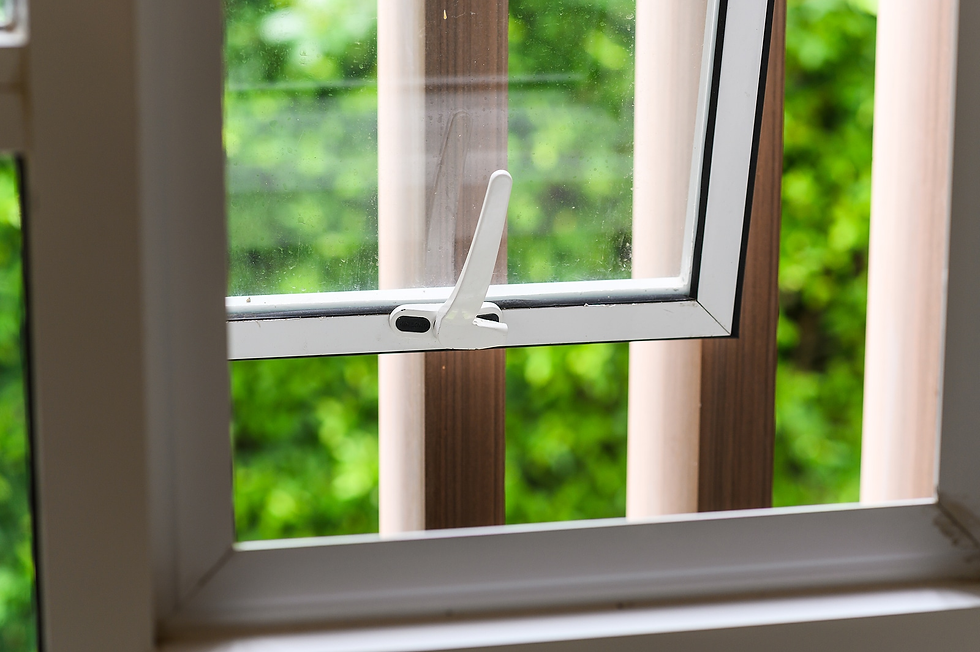
Upgrading glazing and frames can raise upfront cost but reduce heating bills and may qualify for incentives. Triple glazing adds £150–£400 per window over double glazing; low-e coatings cost about £30–£80 per pane; argon or krypton gas fill typically adds £20–£60 per unit.
Consider frame materials for thermal performance and maintenance. uPVC frames are cost-effective and low maintenance; timber frames cost more upfront (£100–£300 extra per window) but offer better insulation when well maintained. Composite frames sit between both in price and performance.
Check available grants or schemes. Some local energy-efficiency grants or national programmes provide partial funding for high-efficiency upgrades. Documentation and compliance with specified U-values are usually required to claim support. For advice on maximising energy savings with your window door installation, consult Glazier London.
For more practical home improvement advice, read our blogs “Install uPVC Windows” and “Internal Door Installation” for expert tips on efficient, stylish upgrades.
Permits and Regulatory Fees
Planning permission is rarely needed for like-for-like window door installation, but listed buildings and conservation areas have stricter rules. For listed properties, expect additional costs for approvals and specialist materials; conservation office fees vary by council and can be £0–£200 for pre-application advice.
Building regulations apply when structural elements change or ventilation requirements must be met. Approved Document F and Document L specify ventilation and energy performance; an installer’s compliance certificate or an inspector visit may incur fees of £50–£300.
When working with Glazier London for your window door installation, factor in time for applications and inspections. Always obtain written confirmation of who pays for permits and inspections before work starts. Glazier London ensures your window door installation complies with all necessary regulations, streamlining the process for you.


Comments