
Sash Window Repair London: Expert Restoration and Draught-Sealing Services

Sash window problems in London need quick, expert attention to keep your home comfortable and secure. With the right window repair London approach, you can restore smooth operation, draught-proofing, and period character without replacing the whole frame. A skilled sash window specialist can repair timber, rebalance weights, replace cords, and draught-proof windows to deliver lasting performance and retain architectural authenticity.
You’ll learn what services to expect, how costs and timelines typically work, and what to check when choosing a contractor so you make a confident decision. Practical maintenance tips will help you protect your investment and keep sash windows looking and working their best for years.
Key Takeaways
Get repairs that restore function and preserve original window character.
Compare services, qualifications and guarantees when picking a company.
Routine maintenance and targeted upgrades cut long-term costs.
Sash Window Repair Services in London
Window repair London specialists offer services that cover timber repair, draught-proofing, sash cord and weight replacement, double-glazing retrofit, and heritage restoration. Prices and lead times vary by repair complexity, timber species, and whether planning consent is needed.

Types of Sash Window Repairs
Timber splicing and decay repair: Carpenters cut out rotten sections and splice in matching softwood or hardwood. They scarf or epoxy-fill joints to restore structural strength and retain original profiles.
Sash cord and weight systems: Technicians replace broken cords with new braided or spiral-cored cords and rebalance weights; they may fit modern spiral balances for smoother action while preserving original frames.
Glazing repairs and upgrades: Single panes can be reglazed, rebated, or replaced with slim double-glazed units to improve thermal performance. Low-E glass and warm edge spacer bars reduce condensation without altering sightlines.
Draught proofing and sealing: Brush, pile, or silicone seals are fitted to meeting rails and frames to cut draughts, reduce heat loss and improve acoustic performance.
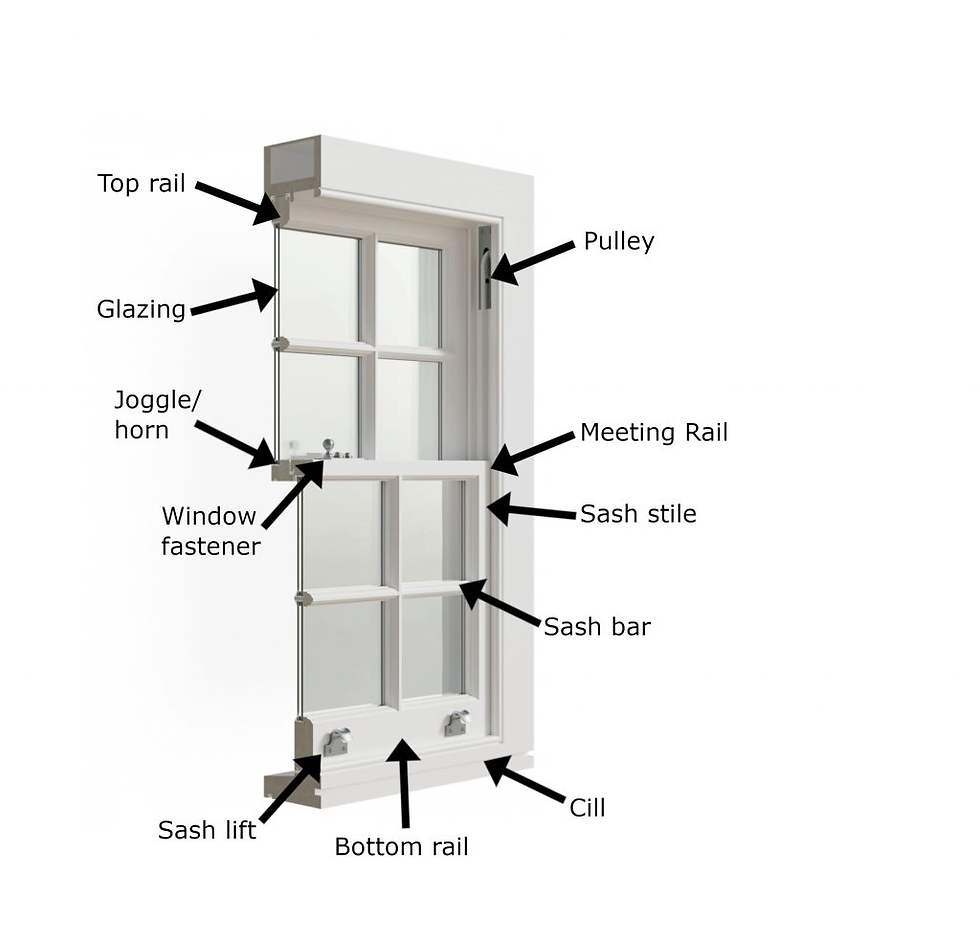
Hardware and paintwork: Part replacement includes sash lifts, catches, pulleys and limiters. After repairs, joinery is primed and finished with compatible paints to protect timber and match aesthetics.
Common Problems with Sash Windows
Rot and decay at the sill and lower rail occur from prolonged water exposure; you’ll often see soft timber, flaking paint and gaps that admit pests. Sticking sashes result from swelling due to humidity or paint build-up, making windows hard to open and close safely.
Broken or frayed cords and damaged weights lead to uncontrolled sash movement and potential injury. Single glazing causes heat loss and condensation between panes if sealed units fail. Faulty pulleys, missing parting beads and worn meeting rails also affect operation and security.
Specialist Repair Techniques
Conservation joinery uses like-for-like timber and traditional joints where buildings are listed or in conservation areas. You’ll get spliced repairs that maintain original profiles, and micro-joinery for minimal loss of historic fabric.
Epoxy consolidation treats decayed areas without full section replacement when timber strength can be restored. Engineers use humidity-controlled planing and rebating to prevent future sticking. For thermal upgrades, installers fit slim double-glazed units with sympathetic beads and desiccant spacers to avoid altering sightlines.
For modernising functionality, technicians can discreetly fit spiral balances, draught seals and secondary glazing that meet British Standards while retaining the sash appearance.
Choosing the Right Sash Window Repair Company
You need a window repair London company that combines technical skill, reliable scheduling and clear pricing. Prioritise firms that can show recent local work, give written guarantees and explain the repair methods they will use.

Factors to Consider When Selecting a Provider
Look for experience with the specific sash style you own — box sash, Yorkshire, or sliding sash — and ask how many similar jobs they have completed in London boroughs. Request a site visit so they can assess timber condition, pulley systems, sash cords and draught-sealing needs; accurate quotes require on-site inspection.
Check the scope of work offered: timber repair versus full replacement, draught proofing, double-glazing retrofits, repainting and secondary glazing. Confirm whether they subcontract trades such as glazing or are multi‑skilled, and ask who will be your point of contact during the job. Ask for a written timescale, phased schedule for living-in properties and policies for unexpected discoveries like rot or asbestos.
Compare three written quotes and ensure each itemised price covers materials, labour, waste removal and any scaffold or access costs. Verify availability for follow-up warranty work and typical response times for repairs after completion.
Credentials and Accreditation
Verify membership of trade bodies such as the British Woodworking Federation, FENSA (for replacement glazing) or TrustMark for quality standards. These accreditations indicate adherence to building regs, consumer protection and proper training — request the certificate numbers and check them online.
Ask about NVQ or City & Guilds qualifications for carpentry and glazing among the on-site team. Check insurance: ask for copies of public liability (minimum £5m recommended) and employers’ liability coverage. Confirm whether the company holds PAS 24 or Secured by Design evidence if security upgrades form part of the work.
Request details of warranty terms in writing: length, what is covered (materials vs workmanship), and exclusions such as damage from neglect. Ensure they provide a compliant compliance pack for any glazing work linked to building regulations.
Customer Testimonials and Case Studies
Ask for recent references or case studies from window repair London customers with properties of similar age and construction to yours. Prefer examples showing before-and-after photos, a breakdown of the issues found, works completed and final costs; this helps you judge transparency and typical outcomes.
Read online reviews on multiple platforms — Google, Trustpilot, Checkatrade — and note recurring themes: punctuality, cleanliness, communication and adherence to quoted price. Contact two referees directly and ask about unexpected problems, how the company handled them and whether the warranty claim process was straightforward.
Look for documented projects in your borough or similar conservation areas; firms experienced with listed buildings will explain planning constraints, approved materials and sympathetic finishes.
Cost and Process of Sash Window Restoration
You will find typical London costs, a clear sequence of restoration steps, and realistic timeframes to plan around. The details below cover labour, materials, common additional charges, and the practical order of works so you can make informed decisions.
Typical Repair Costs in London
Expect basic sash repairs to start at about £120–£250 per window for minor works such as rope replacement, single-pane reglaze and simple draught-proofing. Full timber sash refurbishment — including sash cord replacement, part-joint repairs, sanding, repainting and draught-sealing — typically ranges from £350–£750 per window depending on window size and access.
If you need full sash box timber replacement, new weighted sashes or double-glazing sympathetically installed, costs rise to £900–£2,000+ per window. Additional charges you may encounter include scaffold (daily or hire, commonly £150–£400 for short jobs), listed-building consents (application fees and specialist conservation labour), and specialist glass such as slim-line heritage double glazing (about £180–£450 per sash).
Ask tradespeople for itemised quotes showing labour hours, materials (type of paint, glazing beads, cords), and contingency for rot found on strip-out. Check whether warranties cover workmanship and paint adhesion, normally 2–10 years depending on contractor.
Step-by-Step Restoration Process
Survey and quote: a surveyor or joiner inspects each sash, checks timber condition, measures for glass, and lists repairs. You receive an itemised quote and proposed schedule before work starts.
Preparation and protection: site protection, dust sheets and scaffold (if needed) are set up. Windows are labelled so each sash returns to the correct opening.
Strip out and assessment: remove sashes, cords, weights and glazing. Timber is assessed; areas of soft rot are cut back. Decide between repair (tenon, scarf joints, epoxy consolidation) or section replacement.
Repair and replacement: carry out tenon repairs, splice in new timber, replace sash cords and weights or fit new balance system. Fit new or repaired glazing with appropriate putty or heritage beading.
Surface preparation and finish: sand, prime and paint with specified breathable or microporous paint. Reassemble sashes, adjust friction stays or balances, and fit draught-proofing where agreed.
Final checks and sign-off: ensure smooth operation, correct counterbalance, locking and draught levels. Clean site and provide maintenance advice and written guarantee from window repair London.
Timeframes for Completion
A single sash window minor repair (cords, beads, reglaze) usually takes half a day to one day on site, though scheduling and drying times can extend the overall slot. Expect a typical small terrace of three to six windows to require 2–5 working days for standard refurbishment.
For more extensive works — timber splicing, full rebalancing and repainting — plan for 1–3 weeks depending on batch painting and curing times. Full conservation projects involving scaffold, specialist glass orders or listed-building consent can stretch to 4–8 weeks from survey to completion.
Allow extra lead time for bespoke materials such as hand-blown glass or traditional weights; these items often add 1–3 weeks. Always confirm start and completion dates in writing and build a buffer for hidden rot discovered after strip-out.
Maintaining and Enhancing Sash Windows
Keep timber dry, moving parts lubricated and draughts addressed; modern upgrades can increase comfort and reduce energy bills without losing period character.
Regular Maintenance Tips
Inspect frames and sashes every six months for rot, cracked putty or failing paint.Scrape loose paint, treat small rot with epoxy consolidant and repaint with breathable microporous paint within a week to prevent moisture ingress.
Check cords, chains and weights for wear; replace frayed sash cords and renew split chains promptly.Lubricate runners and sash lifts with a dry PTFE spray rather than oil to avoid attracting dust and gumming up mechanisms.
Clean glazing putty margins and re-bed any loose panes using conservation-grade linseed putty for traditional glazing, or use silicone for secondary glazing situations.Ensure ventilation paths at the head and sill remain clear to prevent condensation and timber decay.
For further solutions, see our guide on window replacement in London to explore full upgrade options for your property.
Upgrades and Draught Proofing
Fit brush-and-pile draught excluders to meeting rails and frames to cut cold air, choosing reversible systems that leave timber intact.Use lift-out or magnetic stops on the top sash to preserve appearance while improving airtightness.
Install slimline double glazing units that fit into existing frames where heritage rules allow; choose units with low-e glass and Argon fill for better U-values.Alternatively, add a removable secondary glazing panel internally for listed properties where window replacement is restricted.
Replace perished sash cords with braided cotton or modern polyester equivalents matching original appearance.Upgrade hardware to weather-resistant brass or stainless steel for longevity, and fit sash locks to improve security and reduce draughts.
For reliable window repair London services, consider Glazier London. The team at Glazier London are experienced in all aspects of sash window repair London, from minor maintenance to full restoration and draught-proofing. Glazier London provides tailored solutions to keep your sash windows in top condition, ensuring your London property remains comfortable, secure, and energy-efficient. If you’re seeking expert window repair London, trust Glazier London for quality workmanship and lasting results.
Sustainable and Energy-Efficient Solutions
Prioritise window repair London upgrades that balance thermal performance and historic character; heritage-approved slim double glazing preserves sightlines while improving insulation. Glazier London recommends selecting low-emissivity coatings and gas fills that reduce heat loss without visibly changing the glass.
Improve insulation around the window reveal with breathable insulation materials like hemp or wood-fibre board to avoid trapping moisture in timber. Glazier London suggests sealing gaps with reversible, vapour-permeable sealants to maintain the building’s ability to dry.
For comprehensive results, window repair London should be paired with other energy-saving measures. Glazier London advises combining modest window upgrades with heating and ventilation controls for the best reduction in energy use and emissions. Window repair London not only preserves your property’s character but also enhances sustainability.


Comments