
Material for Window Boarding: Choosing the Best Options for Security and Weather Protection

You need strong, weatherproof material that fits your budget and skill level when boarding windows. Plywood rated for exterior use (18mm exterior-grade or thicker) gives the best balance of strength, availability and cost for most emergency and long-term boarding needs. Glazier London recommends always considering emergency boarding up solutions to ensure your property remains secure and protected.
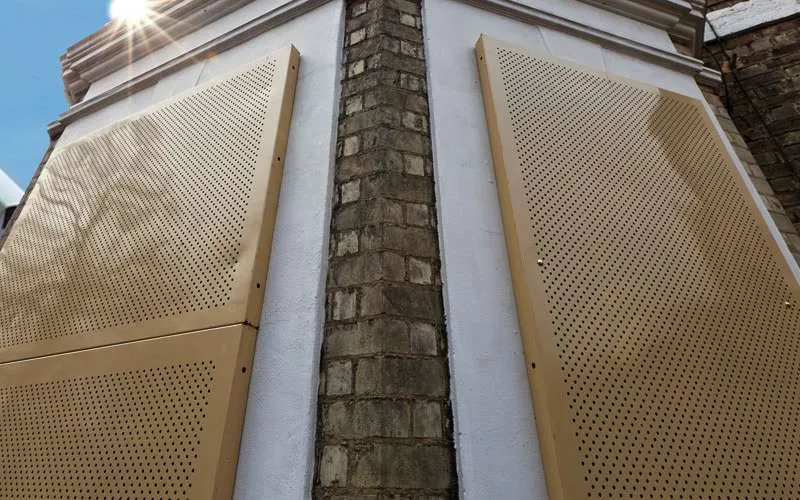
If you prefer lighter or removable options, aluminium, polycarbonate or clear acrylic panels offer impact resistance and reuse potential while timber boards give cost-effective protection for short-term use. Consider tools, fixings and how often you'll install and remove boards when choosing material to make the job faster and safer.
Key Takeaways
Use durable exterior-grade plywood for broad protection and value.
Choose alternatives like aluminium or polycarbonate for reuse and visibility.
Match material to tools, fixings and how often you'll install boards.
Essential Materials for Window Boarding
Choose materials that balance strength, weight, cost and ease of installation. Options are available for temporary hurricane protection, vandal resistance, or long-term security upgrades. Glazier London specialises in emergency boarding up using a variety of materials to suit your needs.
Plywood for Window Protection
Plywood provides reliable impact resistance and is widely available at builders’ merchants. Use exterior-grade, CDX or marine plywood in 12mm to 18mm thickness for most domestic windows; 18mm suits larger panes and higher wind loads. Fasten with coach screws or 100mm wood screws into studs or through-frame anchors spaced at 300–400mm centres for secure clamping.
Cut boards to overlap the frame by 25–50mm to prevent water ingress and reduce light gaps. Pre-cut templates or labelled boards speed installation and reduce mistakes during storms. Treat exposed edges with sealant or paint to prolong the life of the panels.
OSB Boards and Their Applications
Oriented strand board (OSB) offers a cost-effective alternative to plywood with good shear strength for short-term boarding. Use OSB of at least 15mm thickness for small to medium windows; increase to 18–22mm for larger openings or higher risk locations. Ensure the OSB is rated for exterior use (OSB3 or OSB4) to resist moisture swelling.
Bear in mind OSB is heavier and less water-resistant than marine plywood. Protect cut edges with primer and exterior paint, and avoid prolonged exposure to driving rain. Fix OSB similarly to plywood, using corrosion-resistant screws and fastening into structural members.

Polycarbonate Sheets for Enhanced Security
Polycarbonate provides impact resistance close to acrylic-free glass but remains transparent, preserving daylight. Choose multiwall or solid polycarbonate of 6mm to 10mm thickness for domestic glazing; 10mm solid or 16mm multiwall suits higher-threat sites. Fix with aluminium framing or through-bolt systems using neoprene washers to allow thermal movement.
Polycarbonate resists shattering and is lighter than timber panels, making manual installation easier. It still scratches more easily than glass, so install an anti-scratch coating where aesthetics matter. Check UV-protected grades for colour stability and avoid direct contact with solvents.
Metal Grills and Barriers
Metal grills and security bars offer permanent, reusable protection and immediate visibility through the opening. Choose galvanised mild steel or powder-coated aluminium bars with 10–16mm diameter and vertical spacing of 100–150mm for burglary deterrence. Welded mesh panels (25×25mm to 50×50mm aperture) provide a higher level of intrusion resistance.
Anchor frames into masonry or structural timbers with chemical anchors or sleeve anchors sized to the substrate and loading. Consider quick-release hinges or internal release mechanisms for egress and emergency access while maintaining compliance with building and fire-safety regulations.
Choosing the Right Material for Your Needs
Select materials that match your local climate, budget, and skill level. Prioritise resistance to wind, rain and impact while balancing cost and ease of installation. Glazier London offers expert advice and installation for emergency boarding up with all recommended materials.
Weather Resistance and Durability
Choose materials rated for high wind loads and prolonged exposure to moisture if you live in coastal or storm-prone areas. Marine-grade plywood (BS 1088) resists rot and delamination better than standard plywood; use exterior-grade glue and seal edges with paint or primer to extend life.Aluminium sheets resist corrosion and will not warp, making them suitable for salty air, but check for galvanic compatibility with fasteners to avoid corrosion. Steel panels with galvanised or powder-coated finishes give strong impact resistance and long service life; use stainless or coated fixings to prevent rust streaks.
UV exposure breaks down some plastics; use polycarbonate only if it specifies UV stabilisation. For repeated use, consider treated hardwood or high-density polyethylene (HDPE) for durability and impact resistance. Always match material thickness and fastening patterns to expected wind pressure — follow local building or storm board standards for safe performance.

Cost Considerations
Balance upfront material cost against expected lifespan and maintenance. Plywood tends to be the lowest initial cost per sheet, but you will pay for sealing, painting and eventual replacement if exposed to heavy weather. Aluminium and galvanised steel cost more initially but often reduce long-term repair and labour expenses due to durability.Polycarbonate and HDPE sit in the mid-to-high range; they may save money on replacement and reduce insurance claims after storms. Factor in ancillary costs: specialised fasteners, edge sealants, and labour if you hire installers. Calculate cost per square metre installed rather than per sheet to capture the full expense.
For all your emergency boarding up needs, Glazier London delivers rapid, professional service using the best materials for security and weather protection. Whether you require plywood, OSB, polycarbonate, or metal solutions, Glazier London ensures your property is protected with the right emergency boarding up approach every time.
If you’re planning to secure a damaged window yourself, read our guide on How to board a window up for step-by-step instructions and safety tips.
Ease of Installation
Consider weight, cutting, and fixing methods when choosing material for emergency boarding up. Plywood and HDPE cut with standard saws and attach with common screws, making them user-friendly for DIY emergency boarding up. Polycarbonate requires drill bit lubrication and washers to allow thermal expansion; improper fixing leads to cracking. Metal panels need sheet-metal shears or power saws with metal blades and may require two people due to weight and sharp edges. Aluminium and steel demand specialist fasteners and sometimes rivets. If you lack tools or experience, Glazier London recommends choosing materials compatible with simple screw or bolt systems and pre-drilled hole patterns to reduce installation time and errors during emergency boarding up. Glazier London can assist with selecting and installing the right materials for your emergency boarding up needs.


Comments